


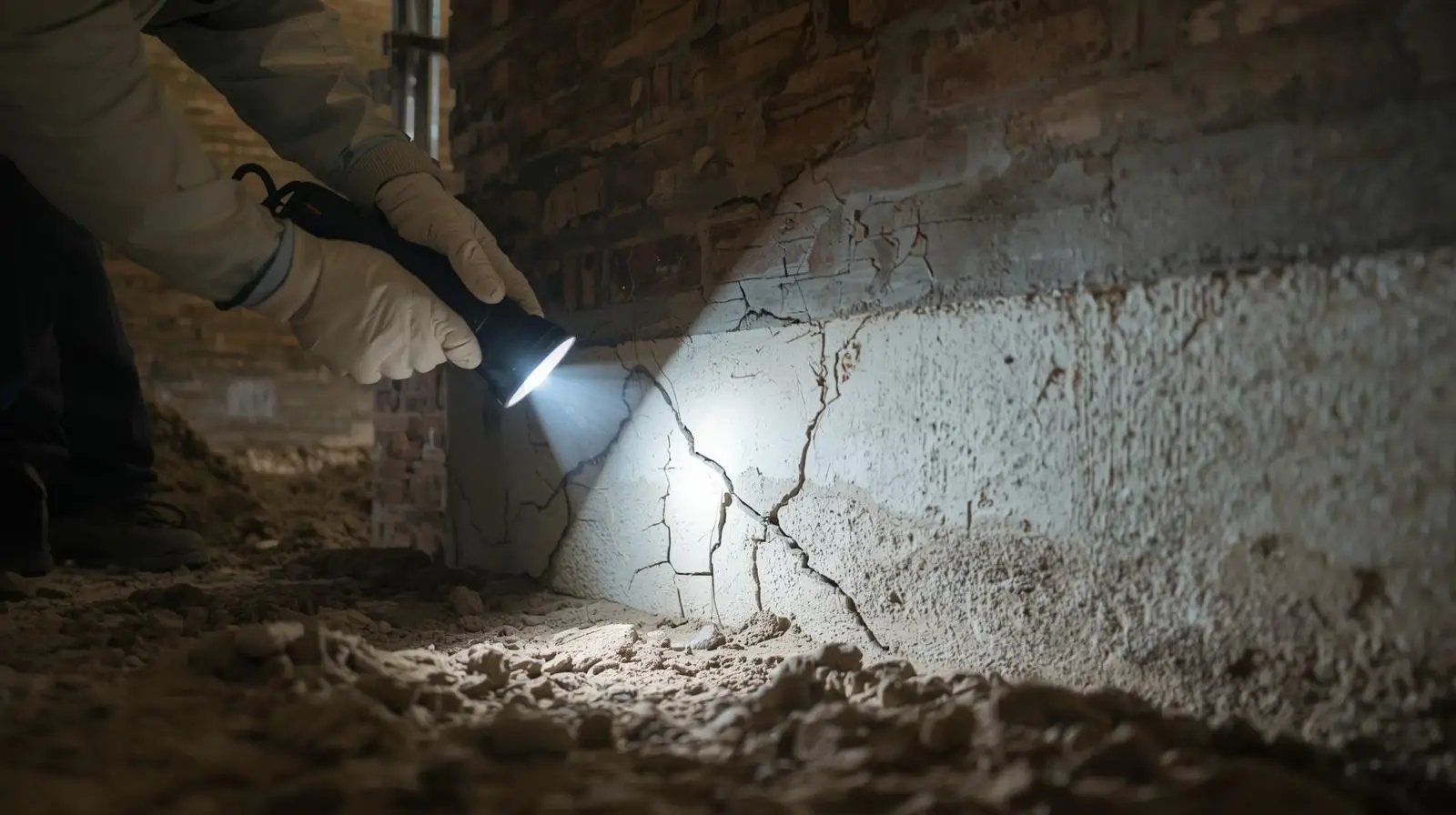
A strong home starts with a solid foundation. If your base is weak or settling, you’ll notice cracking walls, sticking doors, or uneven floors. Ignoring these signs can lead to severe damage and expensive repairs.
To help, here’s a look at the latest trends in foundation repair and structural upgrades. Modern methods have evolved far beyond heavy machinery and large excavations. Today, advanced materials and smart technology let contractors stabilize homes faster and more efficiently.
Understanding these innovations can help you make better decisions, protect your investment, and keep your home safe for years to come.
See our Cost Guide
Emerging Trends in Foundation Assessment
Before repairs begin, professionals need a clear understanding of what’s happening below the surface. New tools eliminate guesswork during assessments.
Advanced Diagnostic Tools
Ground-penetrating radar lets contractors detect voids, moisture, and soil instability without drilling. Drones also inspect hard-to-reach areas, providing a detailed view of potential issues.
Predictive Analytics for Early Detection
By analyzing local soil data, weather patterns, and home age, experts can predict foundation issues before visible damage occurs. This proactive approach saves money and prevents major repairs.
AI and Machine Learning in Structural Analysis
Engineers use AI to simulate how repairs will withstand future soil shifts or weather events, ensuring the most reliable solutions.
Innovative Foundation Repair Technologies
Modern repair relies on cutting-edge materials and techniques.
Geopolymer Injection for Soil Stabilization
Technicians inject expanding foam under sinking slabs to fill voids, stabilize soil, and lift concrete. This quick, clean solution cures in hours with minimal disruption.
Carbon Fiber Reinforcement for Structural Integrity
Instead of bulky steel beams, carbon fiber straps strengthen bowing basement walls. Stronger than steel and easy to install, they stop inward movement permanently.
Helical Piers and Modern Applications
Helical piers, driven deep into stable soil, provide long-term structural support. New coatings make them rust-resistant for decades of durability.
Self-Healing Concrete and Smart Materials
Self-healing concrete uses bacteria to seal cracks when water enters, offering a durable and low-maintenance solution. Though still emerging, these materials represent the future of construction.
Sustainable Foundation Repair Practices
Modern repairs strive to minimize environmental impact.
Eco-Friendly Materials and Methods
Recycled and non-toxic materials, like environmentally neutral foam, prevent chemical leaching and groundwater contamination.
Reducing Carbon Footprint in Construction
Methods like foam injection and carbon fiber require fewer resources, smaller crews, and less heavy equipment, cutting emissions significantly.
Durable Solutions for Sustainability
Long-lasting repairs reduce the need for frequent fixes, limiting material use and waste over time.
See our Cost Guide
Structural Upgrades for Modern Living
Some upgrades prepare your foundation for new demands or environmental risks.
Adapting Foundations for Heavier Loads
Planning an addition or installing heavy equipment? Reinforcing footings or adding piers ensures your foundation can support the extra weight safely.
Seismic Retrofitting and Earthquake Preparedness
In earthquake zones, retrofitting includes bolting the frame to the foundation and installing shear walls to prevent sliding during tremors.
Flood and Moisture Damage Prevention
Upgraded drainage systems, sump pumps with backups, and waterproof membranes protect your foundation from water damage and soil swelling.
Regulatory and Building Code Updates
Staying compliant with evolving codes preserves safety and resale value.
Updated Safety Standards
Permits ensure compliance with current safety standards, protecting your home and investment.
Adapting to Climate Change
Stricter codes address extreme weather, requiring better drainage and elevated foundations in flood-prone areas.
Importance of Certified Professionals
Licensed contractors and engineers manage permits and ensure all work meets strict code requirements.
Real-World Success Stories
Examples highlight the benefits of modern repairs.
Successful Repairs
Carbon fiber straps stabilized bowing walls in a historic home without excavation, preserving its integrity.
Quick Fix Comparisons
Geopolymer injection lifted a sinking driveway in under three hours—faster and cleaner than traditional concrete replacement.
Expert Testimonials
Engineers praise helical piers as the best solution for unstable soil, offering permanent, reliable support.
Finding the Right Foundation Repair Partner
Choosing the right contractor ensures successful, lasting repairs.
Selecting a Contractor
Look for local experience, proper licensing, insurance, and positive customer reviews. Trustworthy contractors use modern tools and methods.
Long-Term Warranties
Choose companies offering transferable lifetime warranties, which increase property value and protect your investment.
DIY vs. Professional Foundation Repair
Structural repairs are best left to experts.
When to Call Professionals
Signs like horizontal cracks, stair-step brick cracks, or sticking doors require immediate professional evaluation.
Risks of DIY Repairs
DIY fixes like patching cement often hide symptoms rather than solving the problem, potentially leading to worse damage or collapse.
Cost vs. Benefit
Professional repairs may cost more upfront but prevent catastrophic damage, saving money long-term.
The Future of Foundation Care
The next generation of foundation repair focuses on technology.
Smart Home Integration
Sensors embedded in concrete can alert you to humidity changes or shifts before visible damage occurs.
Robotics and Automation
Robots assist with inspections and precise excavations, speeding up repair projects and reducing labor demands.
Advanced Materials
Flexible, waterproof concrete alternatives will eliminate common causes of foundation failure, making homes more resilient.
See our Cost Guide
Protect Your Home’s Foundation
Your home’s safety starts with its foundation. From carbon fiber straps to predictive analytics, modern tools make protecting your home easier than ever. Don’t wait for major damage—inspect your property, address issues early, and work with certified professionals to keep your home standing strong.