


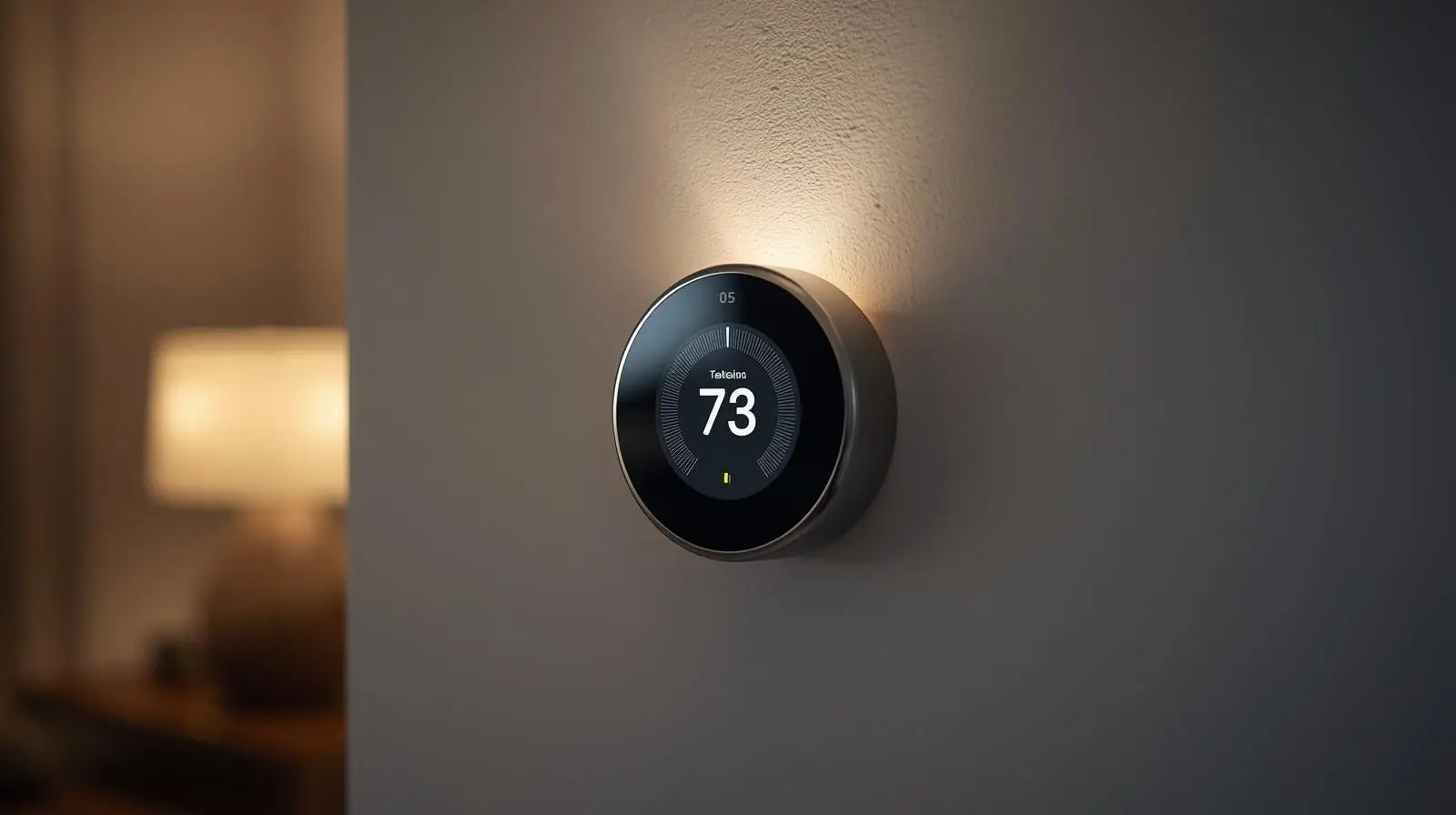
Your heating and cooling systems account for nearly half of your home’s total energy use. When you run a traditional dial thermostat, you are likely heating or cooling empty rooms and wasting money in the process. Upgrading to a modern energy management system keeps your home comfortable while keeping your utility bills in check.
Let us help you understand what goes into optimizing your home’s climate. Catching energy waste early saves you money and reduces wear and tear on your HVAC system. Over the years, smart thermostats have evolved from simple programmable timers into highly intelligent home hubs. Reading this guide will give you a clear look at the latest energy management trends, helping you make the best choices for your property.
Benefits of Energy Management
Before you swap out your old thermostat, it helps to know exactly what you stand to gain. Modern energy management techniques take the guesswork out of lowering your utility bills.
A smart energy setup provides immediate feedback on your daily consumption. When you can see that your air conditioning spikes at 3 PM every day, you can adjust your habits or your programming to reduce that load. According to recent data from the EPA, homes utilizing smart climate control often see heating and cooling savings of up to 15% annually.
Taking control of your energy also extends the life of your heating and cooling equipment. By reducing short-cycling and optimizing run times, your system works smarter, not harder. A practical tip is to set your fan to “auto” rather than “on” so it only runs when actively heating or cooling the air.
Top Smart Thermostat Features
Once you decide to upgrade, it is time to look at what these devices can actually do. New technologies make climate control faster, easier, and much more intuitive.
Many top models now include geofencing capabilities. This feature uses your smartphone’s location to determine when you leave the house and when you are heading back. The system automatically shifts to an energy-saving mode while you are away and adjusts to your preferred comfort level right before you walk through the front door.
Room sensors are another major advancement. Instead of reading the temperature in a single hallway, you can place small sensors in your bedroom, living room, and kitchen. The thermostat balances the temperature based on the rooms you actually occupy. When installing sensors, place them on interior walls away from direct sunlight and drafty windows for the most accurate readings.
Emerging Trends in Home Energy
The way we power and manage our homes is shifting rapidly. Sustainable practices are becoming a major part of the residential energy industry.
One major trend is the integration of smart thermostats with time-of-use utility rates. Many power companies now charge more for electricity during peak afternoon hours. Modern thermostats automatically pre-cool your home during cheaper morning hours and ease up on the AC when rates peak, saving you a considerable amount on your monthly bill without sacrificing comfort.
We are also seeing stronger connections between climate control and solar energy setups. If you have solar panels on your roof, your thermostat can sync with your inverter to maximize air conditioning usage when your panels are generating the most free solar power.
How to Choose the Right System
Your home’s wiring and your personal habits dictate which device will work best for you. Handing your climate control over to the right system requires careful consideration.
First, check your existing thermostat wiring for a “C-wire” or common wire. Most advanced smart thermostats require this wire to provide continuous power to their Wi-Fi chips and bright displays. If you do not have one, look for models that include a power extender kit in the box, which allows you to bypass the need for new electrical work.
You should also choose a system that plays nicely with your existing smart home ecosystem. If you already use voice commands through Alexa, Google Assistant, or Apple HomeKit to turn on your lights, make sure your new thermostat is compatible with that specific platform.
Maximizing Savings with Smart Tech
Simply installing a new device is not enough. You have to use its features correctly to see a real return on your investment.
Start by utilizing the learning features found in premium models. For the first week, manually adjust the temperature when you wake up, leave for work, come home, and go to bed. The machine learning algorithms will analyze this data to build a custom schedule that matches your exact routine.
Related Topics (Ads):

Do not forget to review your monthly energy reports. Most companion apps send you a detailed breakdown of your usage compared to similar homes in your area. If you see your energy use creeping up, use the app to tweak your schedule by just one or two degrees. You will barely feel the difference, but your wallet certainly will.
Future of Energy Management
The home automation industry continues to push the boundaries of technology. The next few years promise even more exciting innovations for residential climate control.
Integration with whole-home energy monitors is on the horizon. Soon, your thermostat will communicate directly with your electrical panel, identifying exactly which appliances are drawing the most power and adjusting the HVAC load accordingly to prevent circuit overloads and demand charges.
Predictive maintenance is also becoming a reality. By monitoring airflow and temperature drops, future systems will alert your phone when your HVAC filter is clogged or when your AC compressor is showing signs of early failure. This allows you to schedule a minor service call before the system breaks down entirely on the hottest day of the year.
A Smarter Home Awaits
Understanding smart energy management gives you the power to protect your comfort and your budget. From advanced room sensors to automated geofencing, the industry provides reliable, long-lasting solutions for every type of household.
Ignoring energy waste never makes it go away. The system simply works harder, and your monthly bills climb higher. Take action the moment you realize you are paying to heat an empty house.
Let us help you take the next step toward a more efficient home. Walk through your house today, check your current thermostat wiring, and review your latest utility bill. Click through to our product comparison tool to find the perfect smart thermostat that fits your home’s unique needs and start saving today.