


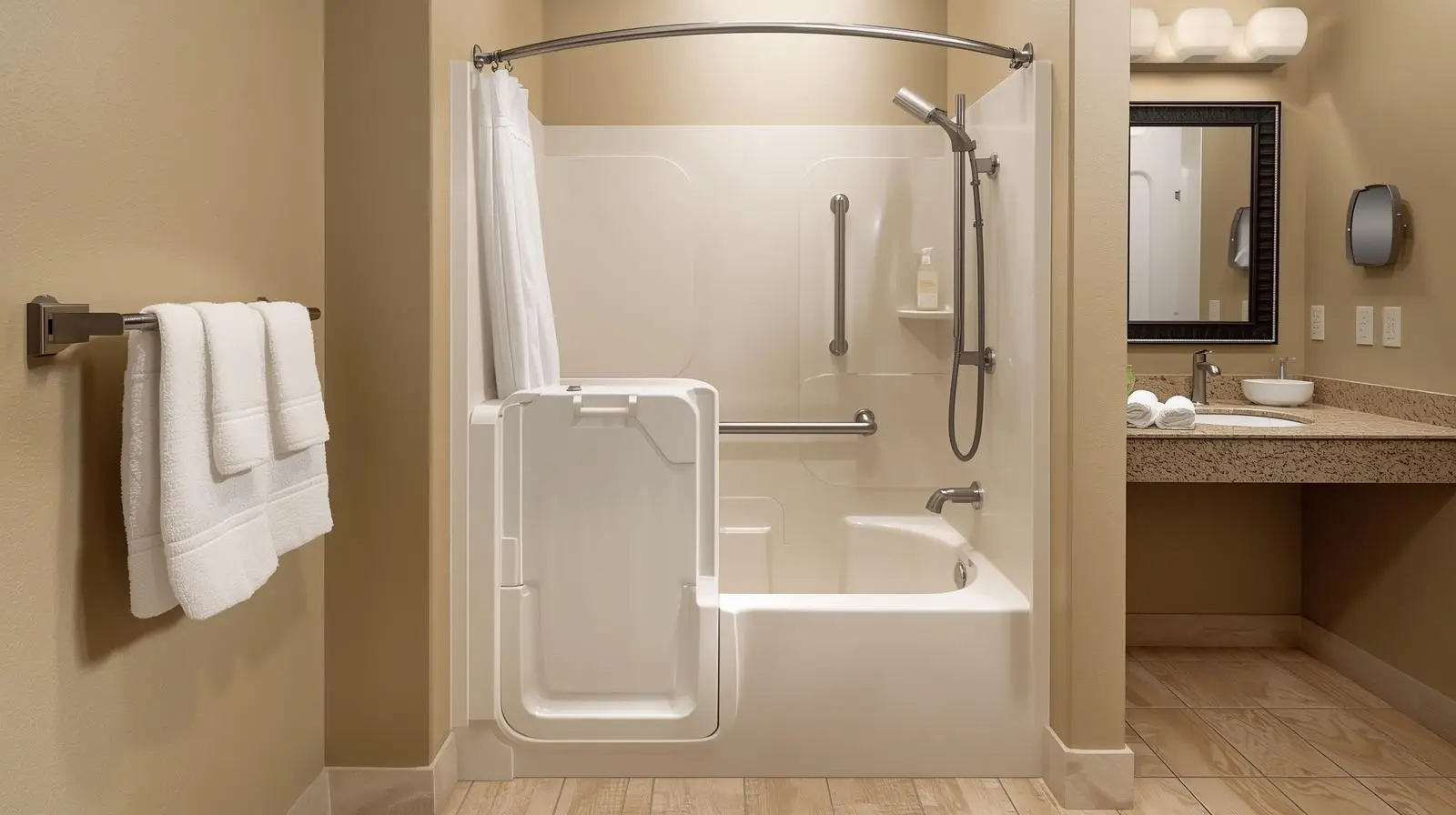
A safe home starts in the bathroom. If you or a loved one find it difficult to step over a standard bathtub rim, you will eventually notice that bathing becomes a stressful chore rather than a relaxing retreat. Ignoring these warning signs can lead to severe slips, falls, and costly hospital visits down the road.
Let us help you understand the latest walk-in tub installations for aging in place. Over the years, the methods and designs used to create accessible bathrooms have evolved dramatically. Gone are the days of clinical-looking, uncomfortable medical tubs. Today, manufacturers use advanced materials and smart features to keep you safe and comfortable.
Understanding these modern solutions helps you make the right choices for your property. By learning about these options, you can protect your health and ensure your living space remains safe and secure for decades to come.
See our Cost Guide
Benefits of Walk-In Tubs
Before you tear out your old tub, it helps to know exactly what you gain from upgrading. Modern walk-in tubs take the anxiety out of your daily routine.
Safety Features
The most obvious benefit of a walk-in tub is the low threshold. Instead of lifting your leg over a high barrier, you simply open a door and step right in. These tubs also come equipped with built-in grab bars, comfortable ADA-compliant seating, and anti-slip flooring. According to the CDC, millions of older adults fall each year, with the bathroom being a primary hazard zone. These features drastically reduce your risk of slipping.
Tip: Always test the door latch before buying to ensure you can open and close it easily from a seated position.
Health Benefits
Water therapy is not just for athletes. Many walk-in tubs feature hydrotherapy jets that massage your muscles and joints. Warm water immersion improves circulation, reduces arthritis pain, and promotes better sleep. Regular hydrotherapy can ease the stiffness that comes with aging, making your daily movements much more comfortable.
Independence and Comfort
Aging in place means staying in the home you love. A walk-in tub allows you to bathe independently without relying on a caregiver or family member for assistance. This preserves your dignity and gives you a comfortable, private space to unwind.
Types of Walk-In Tubs
Once you decide to upgrade, you need to pick the right style. The actual tub you choose depends on your health needs and budget.
Soaker Tubs
A standard soaker tub is the most basic model. It features a leak-proof door, a built-in seat, and a deep basin for full-body immersion. It does not have any complex water or air jets. This is a great, cost-effective option if you simply want a safe, deep soak without the bells and whistles.
Whirlpool Tubs
Whirlpool tubs use water jets to provide a deep tissue massage. The forceful water streams target specific muscle groups, offering excellent relief for joint pain and deep aches.
Tip: Whirlpool systems require regular cleaning to prevent mold buildup in the water lines, so keep a gentle cleaning solution on hand.
Air Tubs
Instead of shooting water, air tubs push heated air through tiny holes in the tub’s base. This creates millions of gentle bubbles that provide a soft, all-over massage. Air tubs are generally better for individuals with sensitive skin or conditions like fibromyalgia, as the pressure is much lighter than water jets.
Combination Tubs
If you want the best of both worlds, a combination tub offers both water and air jets. You can customize your bathing experience every single time. While these are the most expensive models, they provide the highest level of therapeutic relief.
See our Cost Guide
Installation Considerations
Fitting a new tub into an existing bathroom requires some planning. You must evaluate your space and your home’s infrastructure.
Space Requirements
Walk-in tubs are typically taller and wider than standard bathtubs. You need to ensure the tub can fit through your bathroom door and hallways before it even reaches the installation spot. Measure your existing tub alcove carefully. If your new tub is smaller than the old space, contractors can install extension panels to fill the gaps perfectly.
Plumbing and Electrical Needs
If you upgrade to a whirlpool or air tub, you will need a dedicated electrical circuit to power the pump and heater. Additionally, walk-in tubs hold much more water than standard tubs. You may need to upgrade your water heater to a 50-gallon capacity or install a tankless system so you do not run out of hot water halfway through filling the basin.
Professional Installation vs. DIY
It is tempting to try and install a tub yourself to save money. However, walk-in tub installation involves complex plumbing, electrical wiring, and strict waterproofing. Slapping some caulk around a poorly fitted door will lead to massive leaks and water damage. Call a professional. Doing it right the first time with expert help prevents catastrophic damage and ultimately saves you money.
Choosing the Right Walk-In Tub
Finding the right partner and product makes all the difference in your bathroom upgrade.
Budget
Walk-in tubs range from $3,000 for basic soakers to over $10,000 for high-end combination models with installation. Set a clear budget before you start shopping. Look into financing options, and check if your health insurance or local aging-in-place grants will help cover the costs.
Features
Only pay for the features you will actually use. If you have mobility issues in your hands, look for tubs with easy-turn levers instead of standard knobs. Fast-drain technology is also a must-have, as it pumps the water out in under two minutes so you do not have to sit shivering while the tub empties.
Brand Reputation
Look for a company with a long history of building safe, reliable products. Always ask for proof of a lifetime warranty on the door seal. Read online reviews to gauge their customer service and reliability. A reputable company stands by its work and ensures your tub functions perfectly for years.
See our Cost Guide
Enhance Your Quality of Life Today
Taking care of your home means creating a space that supports you as you age. From low thresholds and grab bars to heated seats and hydrotherapy jets, the tools available to protect your independence have never been better.
You do not have to wait for a slip and fall to take action. Evaluate your bathroom, look for hazards, and address accessibility issues before they escalate. Let us help you maintain a safe, comfortable bathing routine. Reach out to a licensed bathroom contractor today to schedule a consultation and take the first step toward a safer home.