


Water Damage Restoration 2026: Saving Your Home After a Leak
Water is one of the most destructive elements your home can face. Whether it’s a burst pipe, a leaky roof, or a flooded basement, water damage is an urgent problem that requires immediate action. Standing water can do more than just ruin your belongings—it can compromise the very structure of your home. Within just 48 hours, stagnant water can destroy drywall, rot support beams, and trigger the growth of toxic mold.
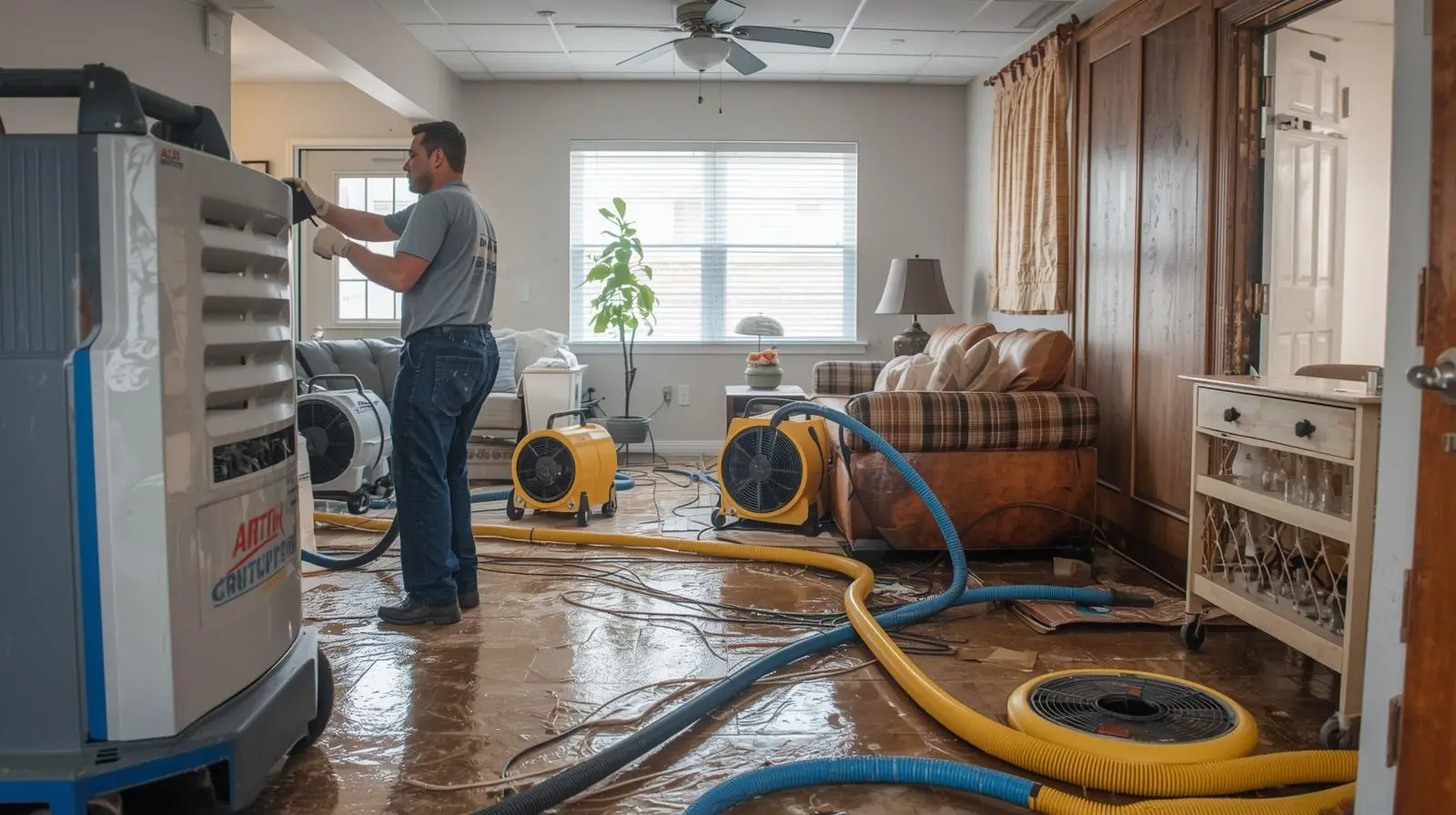
Navigating the process of water damage restoration can feel overwhelming. Fortunately, in 2026, restoration experts are equipped with advanced tools like thermal imaging and industrial-grade dehumidifiers to identify hidden moisture and thoroughly dry out your property. Acting quickly with the help of professionals can make all the difference between a successful restoration and long-term damage.
It’s important to note that major water damage should never be a DIY project. Even with the best home equipment, hidden moisture can linger in walls, floors, or structural framing. This can lead to severe issues down the road, including mold infestations and structural instability. Always call a certified restoration professional right away to protect your home’s integrity.
How Much Does Water Damage Restoration Cost in 2026?
The cost of water damage restoration varies widely based on several factors, such as the type of water involved (clean, gray, or black), the extent of the damage, and the size of the affected area. Here’s a closer look at typical scenarios:
Average Water Damage Repair Costs
- Minor Leaks (Clean Water): $1,000 – $3,000. This covers damage from small issues like a burst pipe or an overflowing sink. Restoration usually includes water extraction, drying out the area, and replacing a small section of drywall or flooring.
- Moderate Flooding (Gray Water): $3,000 – $8,000. Gray water damage often results from appliance overflows, roof leaks, or other mid-level flooding issues. It typically requires removing carpets, sanitizing the affected area, and performing thorough structural drying. This is also a good time to inspect your [Roofing] for potential repairs.
- Severe Damage (Black Water): $8,000 – $20,000+. Black water damage, caused by sewage backups or natural disasters, is the most serious and expensive to repair. Restoration in these cases involves full tear-outs of damaged areas, hazmat protocols to ensure safety, and significant reconstruction efforts.
Understanding Restoration ROI
While water damage restoration isn’t about making a financial profit, it’s an investment in preserving your home’s value and preventing costly future problems. Here are two key areas where restoration delivers ROI:
1. Preventing Total Loss
When water damage is addressed promptly, you can stop it from spreading to critical areas like your foundation or structural framing. This can save you from needing a full-scale rebuild, which often costs six figures. Professional extraction and drying ensure your home is protected from irreversible damage.
2. Mold Prevention
Mold can start growing within 24 to 48 hours of water exposure, and once it takes hold, it’s difficult and expensive to remove. Professional sanitization and drying processes not only stop mold from forming but also preserve the resale value of your home. A house with a history of mold issues can see its market value drop by as much as 30%, making prevention essential.
Your Decision-Making Framework: How to Act
When dealing with water damage, fast and decisive action is critical. Follow these steps to minimize the impact on your home and finances:
Step 1: Stop the Source
The first step is to cut off the water supply. Shut off your home’s main water valve immediately if the damage is from a plumbing issue. If the water is coming from an external source, such as a storm, do your best to safely divert it away from your home to prevent further flooding.
Step 2: Call the Pros and Insurance
Contact a 24/7 water mitigation company as soon as possible. Professionals can start the cleanup process right away, reducing the risk of long-term damage. At the same time, reach out to your homeowners insurance provider to file a claim and understand what costs may be covered.
Step 3: Upgrade While You Rebuild
If parts of your home, such as drywall or flooring, need to be replaced, consider using this opportunity to make upgrades. For example, you might improve your home’s insulation, install water-resistant materials, or update your [Windows] to increase energy efficiency.
Frequently Asked Questions (FAQs)
Does homeowners insurance cover water damage?
Most policies cover sudden and accidental water damage, such as a burst pipe. However, damage caused by natural flooding typically requires a separate flood insurance policy. Be sure to review your coverage to understand your options.
How long does it take to dry out a house?
With professional equipment, it generally takes 3 to 5 days to fully dry out a home. However, this timeline may vary depending on the extent of the damage and the size of the affected area.
Water damage restoration is no small task, but with the right steps and professional support, you can protect your home and restore it to its original condition. Remember—acting quickly is the key to keeping costs and damage under control.