


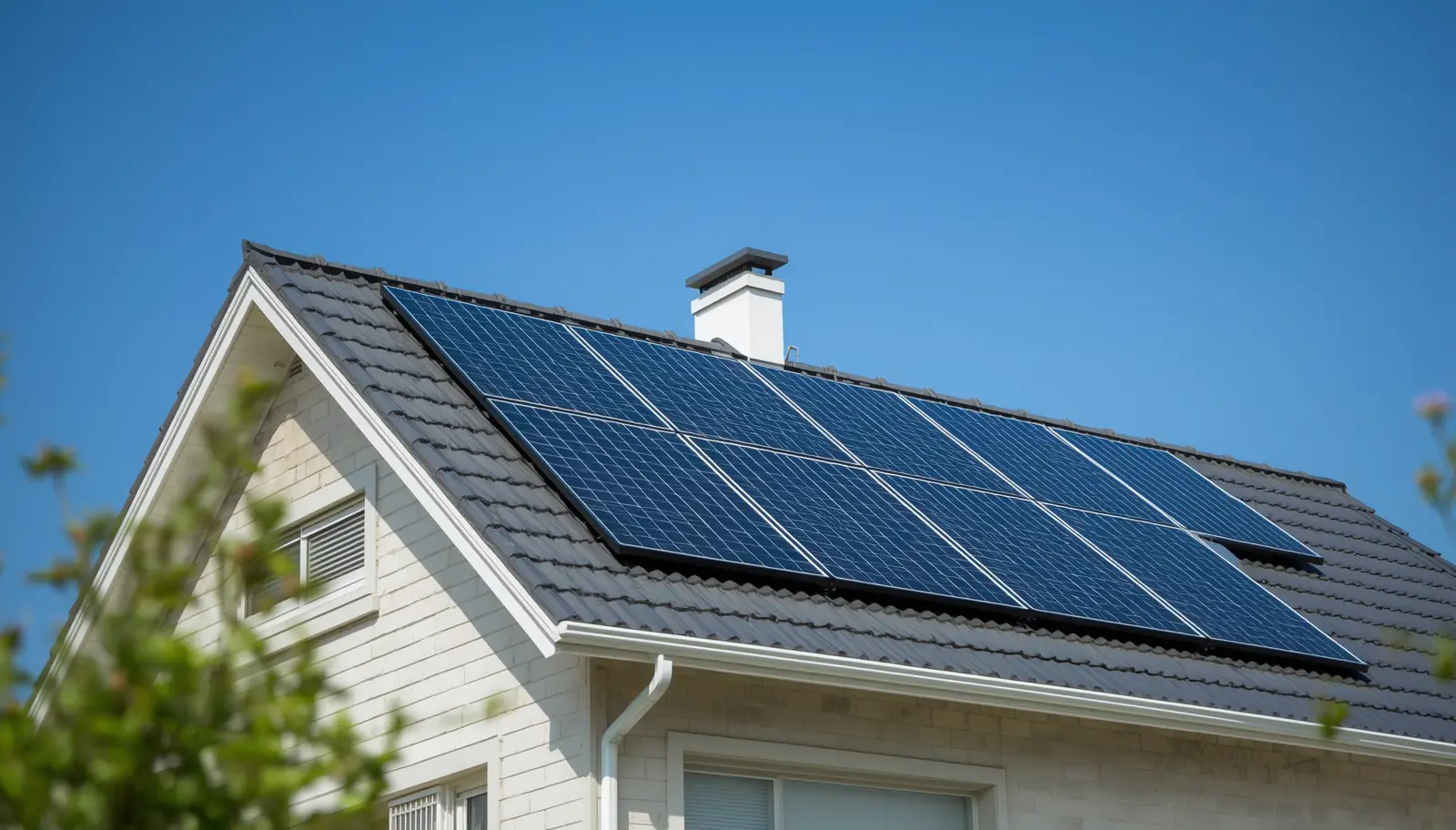
Solar Panel Installation Trends 2026: Costs, Financing & What Homeowners Need to Know
Let us help you transform your home into an energy-efficient powerhouse. With utility bills skyrocketing, finding a way to generate your own electricity is a must-fix situation for your monthly budget.
You don’t have to call an electrician every time a lightbulb goes haywire, but navigating solar energy requires expert guidance. Transitioning to renewable energy is one of the smartest upgrades you can make. Here is everything you need to know about solar panel installation costs, financing, and finding the right installers in 2026.
Top Solar Panel Installation Trends for 2026
The solar industry is innovating rapidly. Panels are becoming sleeker, more efficient, and easier to integrate into home automation systems.
Battery Storage Integration
It is no longer just about generating power; it’s about storing it. The addition of solar batteries (like the Tesla Powerwall) allows homeowners to store excess daytime energy to use at night or during grid outages, offering true energy independence.
High-Efficiency Monocrystalline Panels
Older, bulky blue panels are a thing of the past. Today’s trend focuses on sleek, all-black monocrystalline panels. They generate more electricity in a smaller footprint, making them perfect for roofs with limited space.
Smart Energy Monitoring
Solar systems now integrate directly with smart home hubs. You can monitor your real-time energy production and consumption straight from your smartphone, allowing you to optimize your energy habits.
Understanding Solar Panel Installation Cost
Your solar panel installation cost will depend on your home’s energy usage, roof sunlight exposure, and the state you live in.
Average Solar Installation Cost
Before tax incentives, a typical residential solar system (6kW to 10kW) costs between $15,000 and $25,000.
Solar Tax Credit Eligibility
The Federal Solar Investment Tax Credit (ITC) remains a massive financial incentive, allowing eligible homeowners to deduct a significant percentage (typically around 30%) of the total installation cost from their federal taxes. Always consult a tax professional to confirm your exact solar tax credit eligibility.
Solar Financing Options
If you do not want to pay cash upfront, there are many solar financing options:
- Solar Loans: You own the system and can claim the tax credit, paying off the loan over 10 to 20 years.
- Solar Leases / PPAs: A third-party company owns the system. You pay a fixed monthly rate for the power generated, but you do not get to claim the tax credit.
ROI Analysis: The Financial Payoff
The ROI of solar panels is measured in the “payback period”—the time it takes for energy savings to equal the initial cost of the system. In 2026, the average payback period is 6 to 9 years. After that, the electricity generated is essentially free. Additionally, homes with owned solar systems sell for an average of 4.1% more than comparable non-solar homes.
Decision-Making Framework
Ready to switch to solar? Follow these steps:
- Analyze your electric bill: Determine your average monthly kWh usage. This dictates how many panels you need.
- Check your roof: Your roof should ideally face south or west and be in good condition. (If you need a new roof, check our Roofing Replacement Trends guide first).
- Get multiple quotes: Search for “residential solar companies near me” or “solar energy installation companies.” Compare cash prices, loan terms, and equipment warranties.
Frequently Asked Questions (FAQs)
How do I find reliable solar panel installers near me?
Look for companies certified by NABCEP (North American Board of Certified Energy Practitioners). Read local reviews and ask for case studies of previous installations in your area.
Do solar panels work on cloudy days?
Yes, they still generate power, though at a reduced capacity. If you have a grid-tied system, you can draw power from the local utility grid when needed.
What maintenance do solar panels require?
Very little. They have no moving parts. Aside from occasionally rinsing off heavy dust or pollen, the rain usually keeps them clean enough to function efficiently.
To maximize your home’s energy profile, pair your solar project with our guides on Smart Thermostat and Energy Management Trends and Window Replacement Options for Energy Efficiency.