


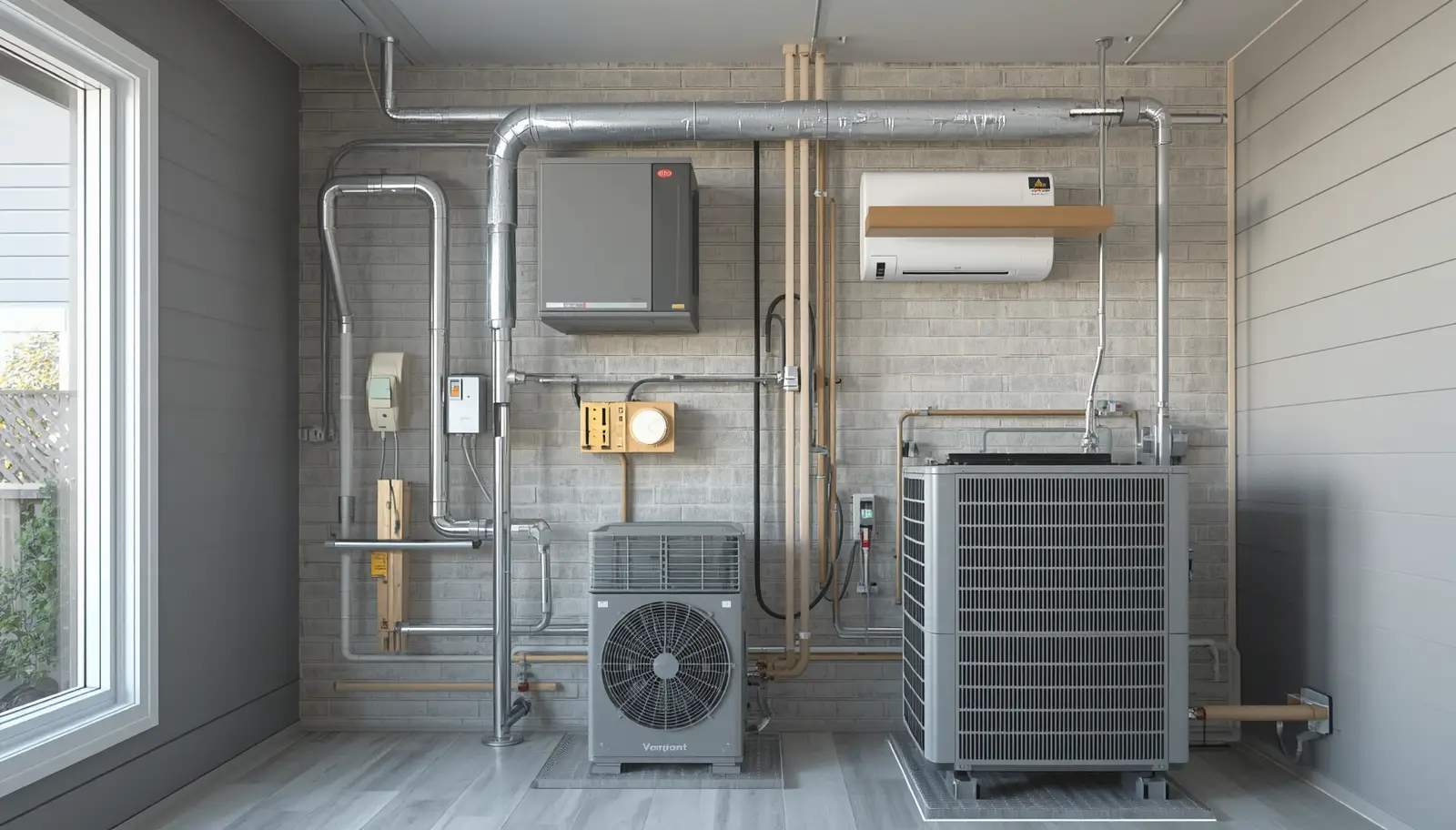
Smart HVAC Systems for Energy Savings in 2026: What Homeowners Need to Know
Heating and cooling systems are one of the largest ongoing expenses in any home. They are also one of the most overlooked opportunities for massive energy savings.
If your air conditioner is struggling to keep up with the summer heat, or your furnace is making rattling noises in the dead of winter, it is a must-fix situation. Ignoring a failing system will only lead to skyrocketing utility bills and uncomfortable living conditions. Let us help you navigate the world of home climate control so you can make a smart, cost-effective upgrade.
In 2026, HVAC systems have evolved far beyond simple temperature control. Modern systems are designed to optimize energy efficiency, automation, and long-term cost reduction. This makes them one of the most impactful upgrades homeowners can invest in. For many households, upgrading to a new system is no longer just about comfort. It is about controlling energy costs, improving indoor air quality, and future-proofing your property.
Let us help you understand the true costs, the expected return on investment, and the functional improvements you can expect when upgrading to a modern system.
The Must-Fix Situation: Why Upgrade Now?
An outdated HVAC system drains your wallet every time it cycles on. Older units work twice as hard to produce half the results of modern, energy-efficient HVAC setups. If your system is over 10 to 15 years old, you are likely paying for wasted energy.
Smart HVAC systems in 2026 utilize advanced sensors, machine learning, and variable-speed motors to adjust your home’s climate in real-time. Instead of blasting at 100% capacity and shutting off, these systems run continuously at lower speeds. This reduces wear and tear on durable materials and keeps your home at a consistent temperature.
Upgrading your HVAC is just as crucial to your home’s infrastructure as a solid roof. In fact, if you are considering a major home update, pairing your new HVAC with a [Roofing] upgrade can drastically improve your home’s overall thermal envelope.
How Much Does HVAC Replacement Cost in 2026?
The cost of replacing an HVAC system varies widely. It depends on the system type, the size of your home, and the efficiency level you choose.
While the upfront sticker shock can be daunting, it is important to view this as a long-term investment. Let us break down the average HVAC replacement cost you can expect to see this year.
Average HVAC Installation Costs by Tier
- Basic System: $5,000 – $8,000. These systems meet the minimum regional efficiency standards. They offer reliable heating and cooling but lack advanced smart features and variable-speed capabilities.
- Mid-Range System: $8,000 – $15,000. This is the sweet spot for most homeowners. These systems feature higher SEER2 ratings, two-stage compressors, and smart thermostat compatibility.
- High-Efficiency Smart System: $15,000 – $25,000+. These are the top-tier smart HVAC systems. They feature fully variable-speed compressors, integrated zoning, advanced air purification, and highly durable materials designed to last decades.
When budgeting for your HVAC replacement cost, remember to account for potential ductwork repairs. Leaky ducts can ruin the efficiency of even the best system. If you are planning a [Bathroom Remodel] or a [Kitchen Remodel], this is the perfect time to have your contractor inspect and upgrade your ductwork while the walls or ceilings are exposed.
Understanding HVAC ROI: When Does It Pay for Itself?
Homeowners often ask if high-efficiency systems are worth the premium price. To answer that, we have to look at your HVAC ROI.
Smart HVAC systems provide a return on investment in two main ways: monthly utility savings and increased property value.
1. Monthly Energy Efficient HVAC Savings
An energy-efficient HVAC system can reduce your heating and cooling costs by 20% to 40%. If you currently spend $200 a month on climate control, a 30% reduction saves you $60 a month, or $720 a year. Over a 15-year lifespan, that is over $10,000 in energy savings alone.
2. Smart Thermostat Savings
You do not always have to replace your entire system to see savings. Sometimes, installing a smart thermostat is a great first step. Smart thermostat savings come from the device’s ability to learn your schedule. It automatically lowers the heat or air conditioning when you leave the house and brings it back to a comfortable level right before you return. This simple functional improvement can cut your energy use by another 10% to 15%.
3. Boosting Home Value
Just like installing [Solar] panels, upgrading to a smart HVAC system makes your home highly attractive to buyers. Modern buyers want move-in-ready homes with low operating costs. A brand-new, high-efficiency system built with durable materials is a major selling point that can increase your home’s resale value by several thousand dollars.
Key Trends in Smart HVAC Systems for 2026
If you are going to invest in a new system, you should know what features matter most. Let us help you identify the best functional improvements available on the market right now.
Variable-Speed Technology
Older systems are either on or off. Variable-speed compressors operate like a car’s gas pedal, adjusting output precisely to meet the home’s needs. This prevents temperature swings, reduces humidity, and uses significantly less electricity.
Smart Home Integration
The best systems now integrate seamlessly with your existing smart home ecosystem. You can control your home’s climate using voice commands or an app on your phone. They can even link up with smart blinds to automatically close when the sun is heating up your living room.
Multi-Zone Climate Control
Why pay to heat or cool empty rooms? Zoning systems use dampers in your ductwork to direct air only where it is needed. You can keep the living room cool during the day and focus the cooling on the bedrooms at night.
Advanced Air Quality Monitoring
Indoor air quality is a major focus in 2026. Modern smart HVAC systems come with built-in air purifiers, UV lights, and advanced filtration media. They constantly monitor the air for dust, allergens, and VOCs, automatically adjusting fan speeds to clear the air when contaminants are detected.
Your Decision-Making Framework: How to Choose
Picking the right system does not have to be overwhelming. Use this simple framework to make the best choice for your home.
Step 1: Calculate Your Load
Never let a contractor guess what size system you need based on the square footage alone. Insist on a Manual J load calculation. This takes into account your home’s layout, window quality, insulation levels, and local climate to determine the exact size required. A system that is too large will short-cycle and fail prematurely, while a system that is too small will run constantly and drive up your bills.
Step 2: Check SEER2 Ratings
SEER2 (Seasonal Energy Efficiency Ratio) measures cooling efficiency. The higher the number, the more efficient the unit. In 2026, the minimum standard is 14.3 to 15.2 depending on your region. For the best HVAC ROI, look for systems with a SEER2 rating of 18 or higher.
Step 3: Prioritize Durable Materials
Look for systems built with all-aluminum coils and heavy-gauge steel cabinets. These durable materials resist corrosion and wear, ensuring your system lasts longer and requires fewer repairs over its lifespan.
Step 4: Maximize Rebates and Tax Credits
Energy-efficient HVAC systems often qualify for federal tax credits and local utility rebates. Be sure to ask your installer about the Inflation Reduction Act incentives, which can cover a significant portion of your HVAC replacement cost.
Let Us Help You Take the Next Step
Upgrading your home’s climate control is a big decision, but it is one that pays dividends in comfort, health, and savings. Do not wait for your old system to break down during a heatwave or a blizzard. Be proactive.
Take a look at your current energy bills. Consider how much a modern, smart HVAC system could save you every single month. By investing in energy-efficient technology and durable materials today, you are protecting your home and your wallet for decades to come.