


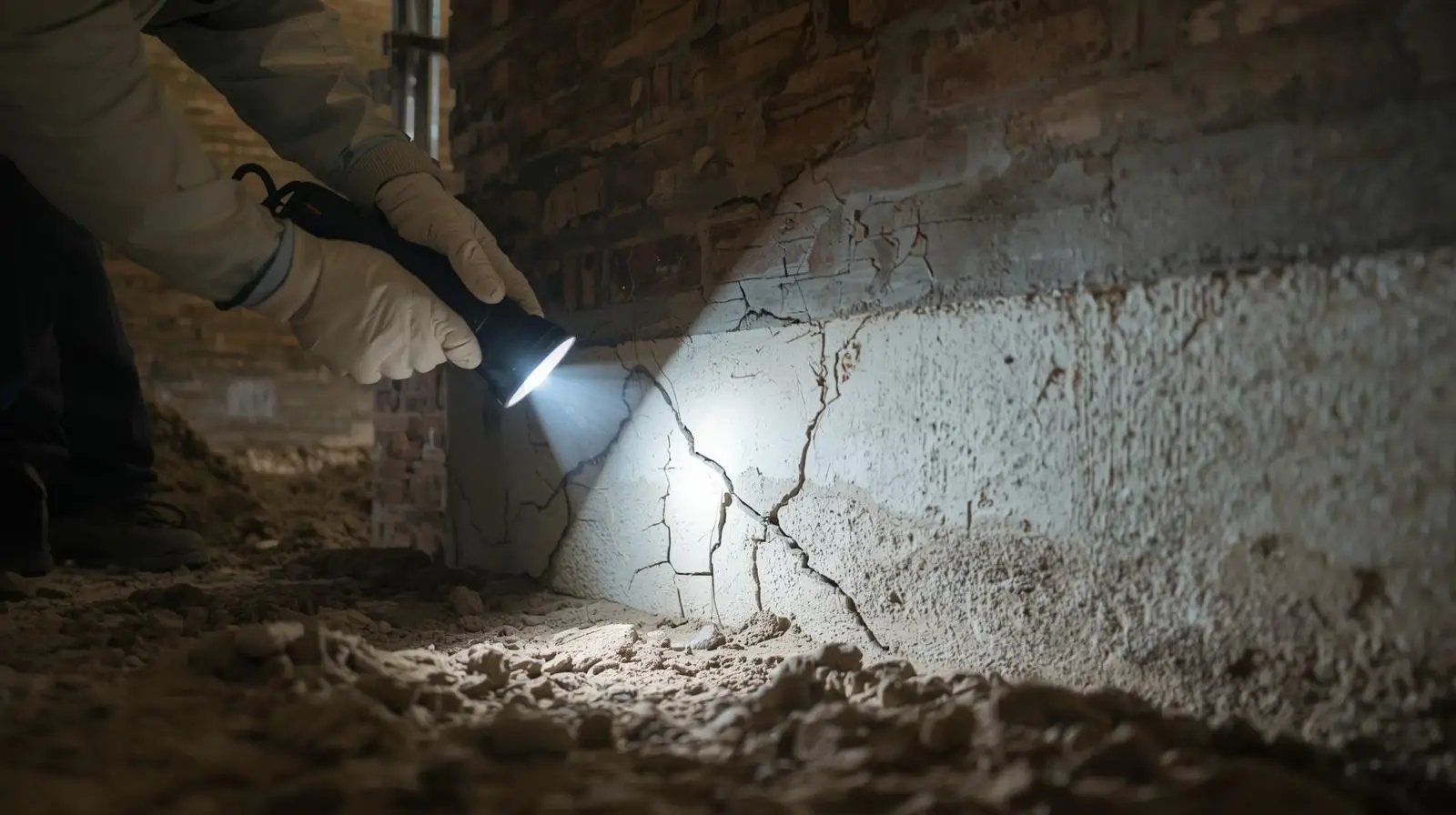
Your home is your sanctuary, but it is only as strong as the ground it sits on. A solid foundation keeps your walls straight, your floors level, and your roof secure. When that base starts to shift, crack, or settle, the entire house feels the impact.
Let us help you understand what goes into keeping your home stable. Common foundation issues range from minor hairline cracks to major soil settlement that causes doors to jam and floors to slope. Catching these problems early saves you money and stress.
Over the years, foundation repair has evolved significantly. We have moved past simply pouring more concrete into a hole. Modern structural upgrade trends focus on smart technology, eco-friendly materials, and long-lasting stability. Reading this guide will give you a clear look at the latest foundation repair methods, helping you make the best choices for your property.
Emerging Trends in Foundation Assessment
Before you can fix a problem, you need to know exactly what is wrong. Modern foundation assessment techniques take the guesswork out of structural repairs.
Advanced Diagnostic Tools
Contractors now use powerful diagnostic tools to look beneath the surface. Ground-penetrating radar allows experts to see voids, moisture pools, and shifting soil without digging up your yard. Drone inspections provide a bird’s-eye view of your roof and exterior walls, helping spot alignment issues caused by foundation settling.
Predictive Analytics for Early Detection
Data changes the way we approach home maintenance. Predictive analytics use historical data about local soil types, weather patterns, and home age to forecast potential foundation failures. This allows homeowners to take preventative action before expensive damage occurs.
AI and Machine Learning in Structural Analysis
Engineers feed structural data into artificial intelligence programs to map out the safest, most effective repair plans. Machine learning algorithms analyze thousands of previous foundation repair cases to recommend the exact fixes your home needs. This speeds up the assessment process and reduces the chance of human error.
Innovative Foundation Repair Technologies
Once the assessment is complete, it is time to get to work. New technologies make foundation repair faster, cleaner, and more reliable.
Geopolymer Injection for Soil Stabilization
If the soil under your house is weak, your foundation will sink. Geopolymer injection fixes this problem fast. Workers drill small holes and inject an expanding structural foam into the ground. The foam compresses the loose soil and lifts the foundation back to its original level. It cures in minutes and creates a waterproof barrier.
Carbon Fiber Reinforcement for Structural Integrity
Bowed basement walls are a major safety hazard. Carbon fiber straps offer a clean, incredibly strong solution. Contractors apply these high-tech strips directly to the wall using heavy-duty epoxy. The carbon fiber locks the wall in place, preventing any further inward movement. Once painted over, the straps are nearly invisible.
Helical Piers and Their Modern Applications
For severe settlement, helical piers remain a top choice. These large steel screws are driven deep into the earth until they reach stable, load-bearing soil. Modern helical piers feature advanced anti-corrosion coatings, ensuring they hold your house up safely for decades.
Self-Healing Concrete and Smart Materials
Cracks in concrete are a nuisance. Smart materials are changing that. Self-healing concrete contains dormant bacteria. When water seeps into a new crack, the bacteria activate, producing limestone that naturally fills the gap. This incredible innovation drastically reduces future maintenance costs.
Sustainable Practices in Foundation Repair
Protecting your home should not come at the expense of the environment. Sustainable practices are becoming a major part of the foundation repair industry.
Eco-Friendly Materials and Methods
Many companies now prioritize eco-friendly materials. The geopolymer foams used for leveling are frequently formulated to be environmentally safe, meaning they will not leach harmful chemicals into your groundwater.
Reducing Carbon Footprint in Construction
Traditional foundation repair often required heavy machinery running for days, producing massive exhaust emissions. Trenchless technologies and injection methods require less heavy equipment. This cuts down on fuel usage and reduces the carbon footprint of your repair project.
Longevity and Durability for Sustainable Structures
The most sustainable repair is the one you only have to do once. By utilizing advanced materials like carbon fiber and rust-resistant steel piers, contractors ensure your structural upgrades last a lifetime. This eliminates the waste associated with repeated, temporary fixes.
Structural Upgrades for Modern Needs
As our living situations change, our homes need to adapt. Sometimes, a foundation needs an upgrade simply because you are asking it to do more work.
Adapting Foundations for Increased Load-Bearing
Adding a second story or bringing heavy equipment into a home workshop adds massive weight to your foundation. Structural upgrades can reinforce your existing concrete footings to handle this increased load safely. Contractors might add supplemental piers or widen the existing footings.
Seismic Retrofitting and Earthquake preparedness
If you live in an earthquake zone, seismic retrofitting is an absolute necessity. This process involves bolting the house securely to its foundation and adding bracing to the cripple walls. These upgrades prevent the house from sliding off its base during violent ground shaking.
Flood and Moisture Damage Prevention in Foundations
Water is a foundation’s worst enemy. Modern upgrades focus heavily on moisture control. Installing advanced interior French drains, high-capacity sump pumps, and heavy-duty vapor barriers keeps your basement and crawl space completely dry.
Regulatory and Building Code Developments
Building codes change regularly to reflect new safety standards and construction technologies. Staying compliant protects your investment.
Updated Safety Standards and Compliance
Local municipalities constantly update their building codes to ensure residential structures are safe. Any foundation repair or structural upgrade must meet these strict local guidelines. Pulling the right permits and scheduling local inspections are non-negotiable steps.
Impact of Climate Change on Building Codes
Extreme weather patterns are forcing changes in building regulations. Areas experiencing heavier rainfall now require more robust foundation drainage systems. Coastal regions face stricter codes regarding home elevation and flood resistance.
Importance of Certified Professionals
Because codes are complex and ever-changing, you must work with certified professionals. Licensed structural engineers and certified foundation repair specialists know the local laws inside and out. They ensure your project is compliant, saving you from heavy fines.
Case Studies and Success Stories
Seeing real results helps ease the anxiety of major home repairs.
Real-World Examples of Successful Repairs
Consider a historic home built on unstable clay soil. Over fifty years, the floors dropped three inches. Using a combination of helical piers to stabilize the perimeter and geopolymer injection to lift the interior slabs, a local team completely leveled the home in just three days.
Before-and-After Comparisons
Before repairs, many homes feature massive zigzag stair-step cracks in their brick exteriors. Doors refuse to latch, and windows stick. After installing proper support piers and lifting the home, the cracks close up, and doors swing freely. The visual difference is often striking.
Expert Testimonials
Structural engineers regularly praise these modern techniques. As one prominent engineer noted recently, the shift toward minimally invasive lifting foams has completely transformed the residential repair landscape. It allows homeowners to stay in their houses while the work happens below them.
Choosing the Right Foundation Repair Partner
Your home is likely your biggest financial asset. Handing it over to the right contractor requires careful consideration.
Key Considerations When Selecting a Contractor
Look for a company with a proven track record. Check their reviews, ask for local references, and verify their licensing and insurance. A trustworthy contractor will happily provide all this documentation upfront. Let us help you by recommending you get at least three distinct quotes before making a decision.
The Role of Technology in Contractor Services
Choose a partner who uses modern technology. If a contractor tries to diagnose your foundation by just eyeballing it, look elsewhere. You want a team that uses laser levels, soil testing, and structural software to formulate their repair plan.
Ensuring Long-Term Warranties and Support
A reputable foundation repair company stands by their work. Look for transferable lifetime warranties on products like steel piers and carbon fiber straps. This guarantee gives you peace of mind and acts as a great selling point if you ever put your house on the market.
DIY vs. Professional Foundation Repair
It is tempting to try and fix things yourself to save a few dollars. When it comes to the structural integrity of your home, this is rarely a good idea.
When to Call the Experts
If you see a tiny, hairline crack in a poured concrete wall that isn’t leaking water, you might be able to patch it with a simple epoxy kit. However, if cracks are wider than an eighth of an inch, if your walls are bowing, or if you have sticking doors, it is time to call a professional.
Risks of Improper DIY Repairs
Applying basic hydraulic cement to a major structural crack is like putting a small bandage on a broken arm. It masks the problem while the foundation continues to fail. Improper DIY repairs can lead to catastrophic structural collapse, severe water damage, and a complete loss of property value.
Cost-Benefit Analysis of Professional Services
Professional foundation repair is a significant investment. But ignoring the problem or doing a poor DIY job will inevitably lead to much higher costs down the road. Fixing a settling foundation early might cost a few thousand dollars. Rebuilding a collapsed basement wall will cost tens of thousands.
Future Outlook: The Next Generation of Foundation Care
The foundation repair industry continues to push the boundaries of technology. The next few years promise even more exciting innovations.
Integration With Smart Home Technologies
Soon, your foundation will communicate directly with your smartphone. Sensors embedded in the concrete will monitor moisture levels, soil pressure, and micro-movements. If the system detects a potential issue, it will send an alert to your phone before any visible damage occurs.
Robotics and Automation in Foundation Work
Robotic crawlers are currently being tested for crawl space inspections and minor repairs. These small machines can navigate tight, dangerous spaces to apply sealants or report on structural conditions, keeping human workers safe.
Advanced Materials Science Breakthroughs
Researchers are developing new concrete blends utilizing graphene and other super-materials. These future materials promise to be incredibly lightweight while offering strength that far exceeds current building standards.
Frequently Asked Questions (FAQ)
How much does foundation repair typically cost?
The cost varies widely based on the damage. Minor crack sealing might cost $500, while extensive pier installation can exceed $15,000. On average, homeowners spend between $4,000 and $8,000 for standard repairs.
Does homeowners insurance cover foundation repair?
Usually, standard policies do not cover foundation repair resulting from normal settling, poor construction, or earth movement. However, if the damage is caused by a covered peril, like a broken plumbing line, your insurance might help cover the costs.
Can I sell a house with foundation issues?
Yes, but you have two options. You can fix the foundation before listing, which maximizes your sale price. Alternatively, you can sell the house “as-is,” but you must disclose the issues to buyers, and you will likely receive significantly lower offers.
Protecting Your Investment Moving Forward
Understanding foundation repair gives you the power to protect your home. From advanced diagnostic tools to eco-friendly geopolymer injections, the industry provides reliable, long-lasting solutions for every type of structural issue.
Ignoring foundation problems never makes them go away. The cracks simply get wider, and the floors sink deeper. Take action the moment you notice a shifting wall or a sticking door.
Let us help you take the next step. Walk around the perimeter of your house today. Check your basement walls for cracks and look for any uneven spots in your flooring. If you see signs of trouble, contact a certified structural engineer or a local foundation repair expert to schedule an assessment. Protecting your foundation secures the future of your home.