


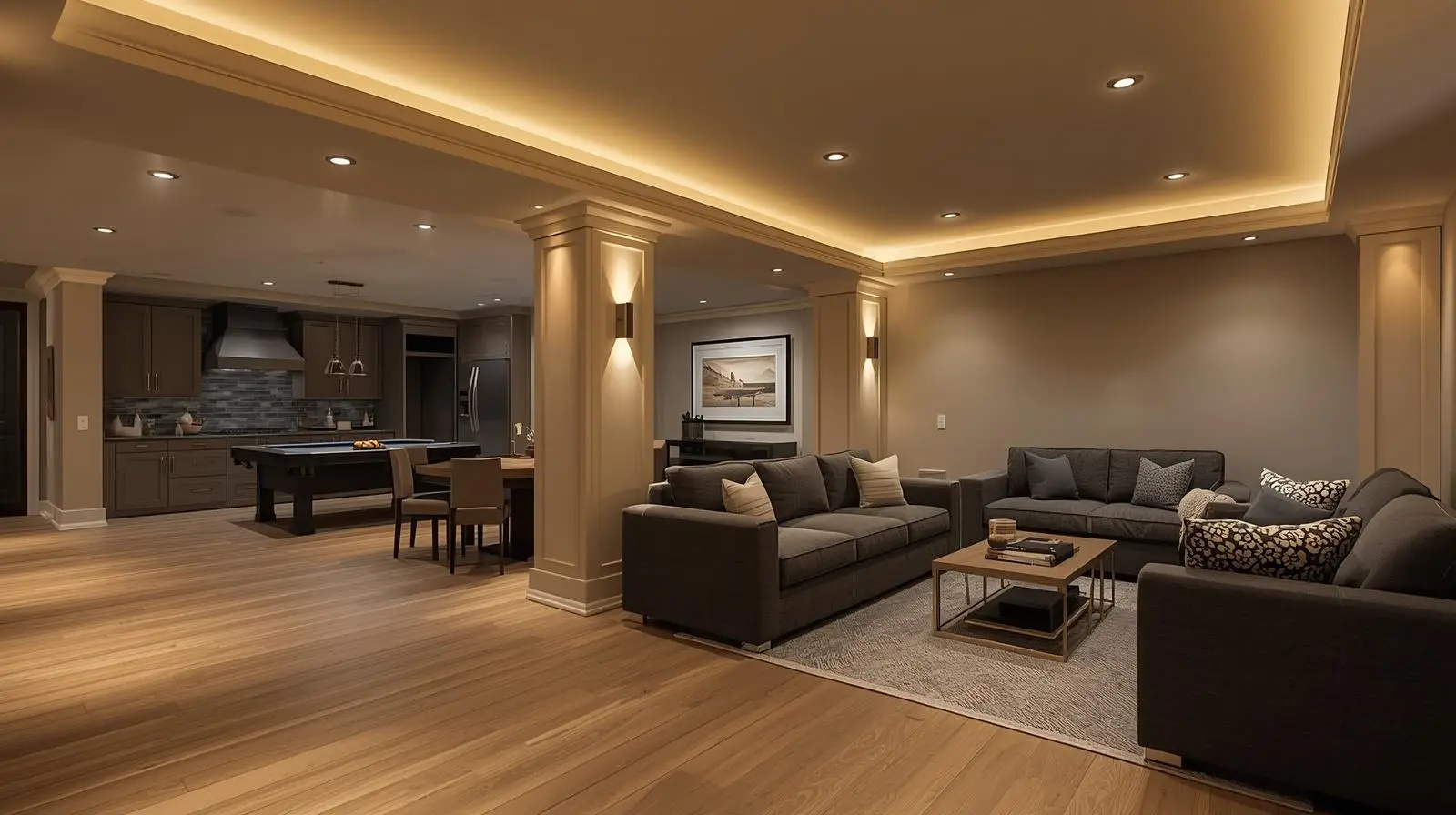
Basement Finishing Ideas 2026: Unlocking Hidden Square Footage
A damp, dark, and neglected basement not only wastes valuable square footage but can also compromise the safety and health of your home. Issues like creeping moisture and exposed wiring are more than just eyesores—they can lead to dangerous mold growth, structural damage, and electrical hazards if left unaddressed.
However, with the right preparation and planning, you can reclaim this underutilized space and transform it into a vibrant, functional area. In 2026, the focus of basement finishing trends is on creating bright, multi-purpose spaces that meet modern living needs. Whether you dream of a cozy home theater, a welcoming guest suite, or a fully-equipped home gym, your basement offers endless possibilities when approached with creativity and care.
That said, basements bring unique challenges, such as tricky plumbing, foundational wall considerations, and adherence to local egress codes. For these reasons, hiring a professional contractor is often the smartest move. They’ll handle the complexities and ensure the space complies with safety and building regulations. Additionally, finishing your basement is a great opportunity to assess whether your current [HVAC] system can handle the added square footage and make upgrades if necessary.
How Much Does It Cost to Finish a Basement in 2026?
Basement finishing costs can vary significantly depending on the existing condition of the space and the finishes you choose. Understanding these cost ranges can help you plan your project more effectively.
Average Basement Finishing Costs
- Basic Finishing: $15,000 – $30,000. This includes essentials like framing, drywall installation, basic flooring (such as carpet or vinyl), and simple lighting fixtures. It’s perfect for creating functional, no-frills spaces like playrooms or hobby areas.
- Mid-Range Remodel: $30,000 – $60,000. This price range allows for upgrades such as adding a half-bath, installing luxury vinyl plank (LVP) flooring, incorporating acoustic drop ceilings, and including built-in storage like custom shelves or cabinets. It’s ideal for homeowners looking to create a comfortable family room or a versatile workspace.
- Luxury Lower Level: $60,000 – $100,000+. High-end remodels include premium features like a full bathroom, a wet bar or kitchenette, larger egress [windows], and advanced wiring for a home theater. This is the ultimate choice for creating a luxurious space for entertaining or hosting guests.
Understanding Basement Finishing ROI
Finishing a basement isn’t just about gaining extra living space—it’s also a smart financial decision. A well-finished basement can provide excellent long-term value, offering both immediate and future benefits.
1. Cost-Effective Space
Finishing an existing basement is far more affordable per square foot than building an entirely new home addition. By utilizing space that already exists, you sidestep the high costs of new construction while still gaining valuable, functional square footage.
2. Boosting Resale Value
A thoughtfully designed basement not only enhances your everyday living experience but also increases your home’s marketability. A beautifully finished basement can deliver an impressive ROI of 70% to 75%, making your property stand out in a competitive real estate market.
Your Decision-Making Framework: How to Choose
When planning your basement remodel, a step-by-step approach is key to ensuring the project is successful and meets your needs.
Step 1: Waterproof First
Never skip this step. Installing drywall or flooring over a leaky foundation is a recipe for disaster. Work with a professional to address any moisture issues by adding French drains, a sump pump, or other waterproofing solutions. A dry basement is the foundation for a durable and safe finished space.
Step 2: Plan Your Layout
Your basement’s layout will determine how functional the space is. Open concepts work well for entertaining areas like family rooms or home theaters, while bathrooms, bedrooms, and utility rooms should be enclosed for privacy. Be sure to leave clear access to essential systems like the electrical panel and water heater to avoid future headaches.
Step 3: Think About Lighting
Basements are naturally darker than other areas of the home, so lighting plays a crucial role in creating a welcoming atmosphere. Install abundant recessed LED lighting for even illumination, and consider digging out larger window wells to maximize natural light. Thoughtful lighting design can make all the difference in how the space feels.
Frequently Asked Questions (FAQs)
Do I need a second HVAC zone for the basement?
A second HVAC zone isn’t always required but is highly recommended. Basements are naturally cooler than the rest of the home, and tying the space into your main thermostat can lead to uneven temperatures throughout your house. A dedicated basement zone provides better control and comfort.
What is the best flooring for a basement?
Luxury Vinyl Plank (LVP) is the top choice in 2026. It combines the aesthetic appeal of wood with the durability of being completely waterproof, making it ideal for any basement application.