


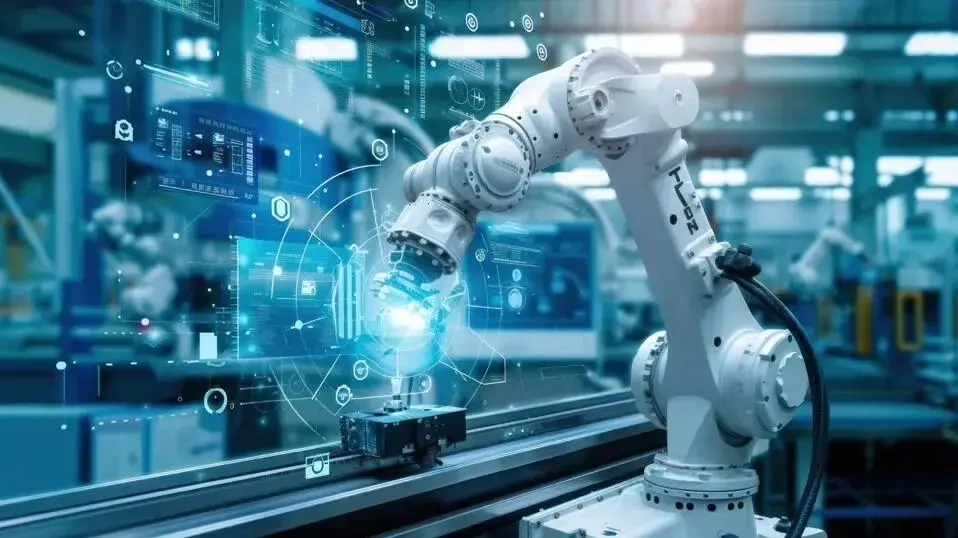
The landscape of modern industry is undergoing a profound transformation, driven largely by the rapid advancement of intelligent machines. The integration of robotics is no longer a futuristic concept but a present-day reality, reshaping how businesses operate on a global scale. The benefits of robotics extend far beyond simple automation, influencing everything from manufacturing precision to the efficiency of global supply chains. This evolution is not merely about replacing human effort but about augmenting productivity, reducing operational costs, and fostering innovation across diverse sectors.
This article provides a comprehensive overview of the key benefits of robotics, examining their impact on industrial standards and what these changes mean for the future of work, safety, and regulatory compliance.
Understanding the Benefits of Robotics
Today’s robotics systems represent a significant leap from their predecessors. They are intelligent machines capable of performing complex tasks autonomously or in collaboration with human workers. Integrated with advanced artificial intelligence (AI) and sophisticated sensor technology, these robots are highly adaptable and efficient.
Key capabilities that underscore the benefits of robotics include:

- Dynamic Environment Navigation: Advanced robots can move safely and effectively through unpredictable spaces, a critical feature for warehouses and hospitals.
- Human-Robot Collaboration: “Cobots” are designed to work alongside human employees, combining the strength and precision of machines with human ingenuity.
- Continuous Learning: Through machine learning algorithms, robots can analyze performance data and refine their processes over time, leading to constant improvement.
These capabilities are now accessible to smaller enterprises and a wider range of sectors, demonstrating that the benefits of robotics are no longer exclusive to large-scale industrial operations.

1. Benefits of Robotics in Logistics and Warehousing
The logistics sector has been an early and significant adopter of automation, with major corporations revolutionizing their supply chains. The primary driver is the need to meet ever-increasing consumer demand for speed and accuracy in delivery.
The benefits of robotics in logistics are clear and measurable:
- Enhanced Sorting and Packing: Robots perform complex sorting and packing tasks with a level of speed and accuracy that is difficult for humans to sustain, reducing errors significantly.
- Superior Inventory Management: Autonomous systems continuously track stock levels in real time, minimizing discrepancies and improving inventory turnover.
- Optimized Last-Mile Delivery: Autonomous vehicles and drones are beginning to handle the final, most expensive leg of the delivery process, promising faster and more cost-effective service.
Smart warehouses now leverage robotic arms and mobile units to operate around the clock. An additional, crucial benefit is improved workplace safety, as robotic forklifts and pickers handle heavy lifting and repetitive motions, minimizing the risk of accidents and injuries.
2. Manufacturing Benefits of Robotics
Manufacturing has long been a key area for robotic application, but the “Smart Factory” concept amplifies the advantages. A significant benefit of robotics in this sphere is the ability to achieve unprecedented levels of efficiency and quality.
Noteworthy developments include:
- Collaborative Robots (Cobots): Designed with advanced safety sensors, these machines work in close proximity to human staff. This synergy combines the endurance of machines with the critical thinking and problem-solving skills of people.
- Predictive Maintenance: AI-powered robotics can anticipate mechanical failures before they happen. This proactive approach minimizes expensive downtime and extends the life of equipment.
- Automated Quality Control: High-resolution computer vision systems inspect products for defects with near-perfect consistency, ensuring a higher standard of quality for finished goods.
This technological shift allows for faster production cycles and less material waste. Consequently, smaller manufacturers can leverage these cost-effective robotic systems to compete more effectively with larger corporations.
3. Benefits of Robotics in Healthcare
In the high-stakes environment of healthcare, the benefits of robotics are directly linked to improved patient outcomes. Surgical robots, for instance, have become integral to many complex procedures, enabling surgeons to perform with enhanced precision, which can lead to less tissue damage and faster recovery times.
Beyond the operating room, other applications highlight the benefits of robotics:
- Rehabilitation Therapy: Robotic exoskeletons and assistive devices help patients regain mobility during physical therapy, personalizing treatment and tracking progress.
- Telepresence: Remote robotic systems allow medical specialists to consult with patients in different geographic locations, broadening access to expert care, especially in rural or underserved areas.
- Automated Sanitization: Autonomous robots equipped with UV lights or disinfectant sprays maintain sterile hospital environments, which is critical in reducing the spread of infections.
By automating these tasks, these technologies empower healthcare professionals to dedicate more of their valuable time to direct patient interaction and care.
4. Agricultural Benefits of Robotics
As the global population continues to grow, the agricultural sector is under pressure to increase food production sustainably. A major benefit of robotics is providing solutions that help farmers maximize crop yields while minimizing the use of resources like water and pesticides.
Examples of agricultural robotics include:
- Aerial Crop Monitoring: Drones equipped with specialized cameras assess crop health from the sky, identifying early signs of distress from pests or lack of irrigation.
- Autonomous Machinery: Self-driving tractors can plow fields, plant seeds, and harvest crops with high precision, operating day and night.
- Targeted Weed Removal: Robots using machine vision can identify and remove individual weeds, drastically reducing the need for chemical herbicides and promoting organic farming practices.
These innovations contribute directly to lower operational costs and more sustainable agriculture, bolstering food security for future generations.
The Synergistic Benefits of Robotics and Human Collaboration
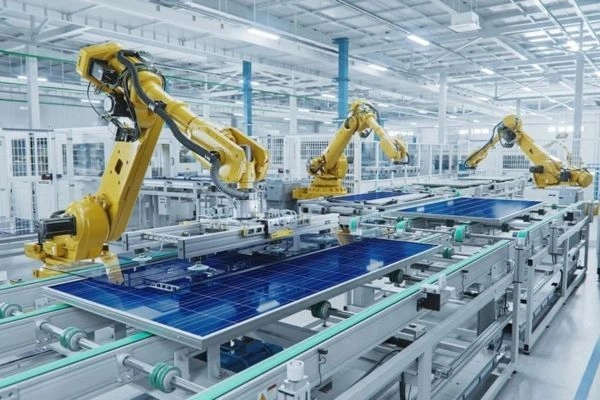
A defining trend in modern automation is the emphasis on collaboration over replacement. The narrative that robots will eliminate jobs is being replaced by a more accurate reality where humans and machines work in partnership. The core benefit of robotics in the workplace is its ability to handle tasks that are tedious, dangerous, or require superhuman precision. This frees human workers to concentrate on roles that demand creativity, strategic thinking, emotional intelligence, and complex decision-making—skills that machines cannot replicate.
Challenges and Ethical Considerations
While the benefits of robotics are substantial, their widespread adoption presents significant challenges that society, industries, and regulators must navigate carefully.
- Workforce Transition: Concerns about job displacement in manual-labor roles are valid. This necessitates a proactive focus on retraining and upskilling programs to prepare the workforce for new roles.
- Safety and Oversight: As robots become more autonomous, establishing rigorous safety standards and clear lines of human oversight is essential to prevent accidents and ensure accountability.
- Data Privacy and Security: Connected robots collect vast amounts of operational and environmental data. Protecting this information from cybersecurity threats is a paramount legal and ethical responsibility.
- Liability and Regulation: Determining legal liability in incidents involving autonomous machines is a complex and evolving area of law that requires clear, updated regulatory frameworks.
Collaboration between governments, business leaders, and legal experts is crucial to ensure a transition that is fair, safe, and built on a sound legal foundation.
Harnessing the Benefits of Robotics for the Future
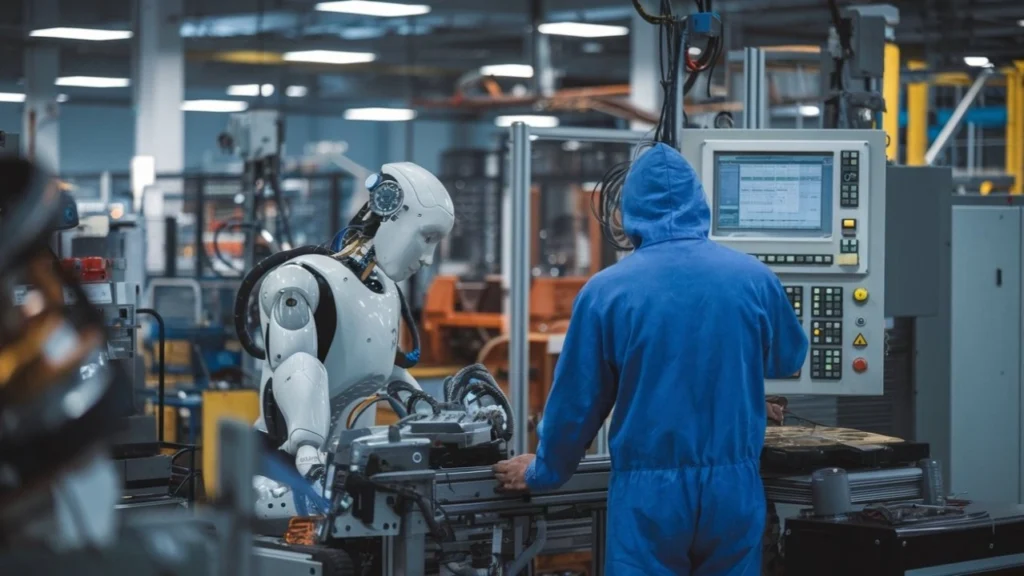
The benefits of robotics are undeniable: these technologies are now fundamental for organizations aiming to thrive in a competitive global environment. By driving improvements in precision, safety, and innovation, robotics fundamentally reshapes the way businesses operate, adapt, and grow.
Maximizing the benefits of robotics ultimately depends on effective collaboration between human expertise and advanced technology. A clear understanding of these changes is essential for leaders, professionals, and consumers alike. As industries continue to evolve, it is equally vital that legal and ethical frameworks keep pace to ensure technology is implemented responsibly and serves society’s best interests.
For those navigating this evolving landscape—addressing compliance requirements, resolving liability matters, or managing intellectual property related to automation—seeking expert guidance delivers a clear advantage. Remaining informed and prepared enables organizations and individuals to fully harness the benefits of robotics for a secure and prosperous future.